Most emergency oven and range repairs are preventable. A worn door gasket, a pitted igniter, or a loose burner grate rarely fails without warning — they degrade gradually, and a short routine inspection catches them long before they cause a Friday-night breakdown. Here's a practical schedule.
Daily
- Wipe down burner grates and drip pans — built-up grease is the most common cause of uneven flame and premature grate wear. See grates & grate parts if yours are cracked or warped.
- Check that the door closes fully and latches — a door that doesn't seat properly accelerates gasket wear.
Weekly
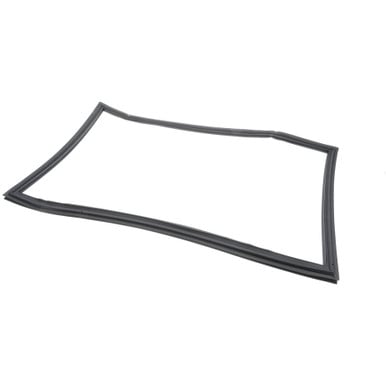
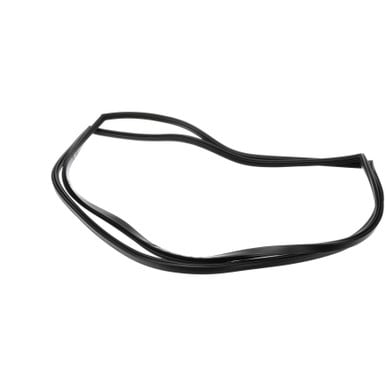
- Inspect the door gasket for tears, flattening, or gaps — run a hand around the seal while the oven is off and cool. See our seals and gaskets guide for what worn looks like.
- Check burner flame color and pattern — a healthy gas flame is blue with minimal yellow tipping; yellow or orange flame usually means a burner head needs cleaning or the air shutter needs adjusting.
Monthly
- Verify oven temperature against the dial setting with an independent oven thermometer — drift here means the thermostat is aging, even if the equipment seems to be working normally.
- Test the igniter or pilot for a strong, immediate light — a weak, slow, or intermittent ignition is the earliest sign of a failing igniter.
- Check knobs and control shafts for excess play or looseness — a wobbly knob usually means the D-shaft or knob itself is worn.
Quarterly
- Have a technician inspect gas connections, control valves, and wiring — this is safety-critical work that belongs to a licensed professional, not a DIY check.
- Replace door gaskets proactively if they show any hardening or cracking, rather than waiting for a full seal failure and the energy waste that comes with it.
- Review your spare-parts drawer — keeping a spare igniter, thermostat, and gasket on hand for your specific model turns a multi-day repair wait into a same-day fix. See our guide to sourcing reliable parts for what to keep in stock.
Why this schedule pays for itself
Every item on this list is a part that costs far less to replace proactively than to repair as an emergency — and none of it requires taking equipment out of service for more than a few minutes. For the full safety-first process once you do find a worn part, see our step-by-step replacement guide, and check the Parts Glossary any time you're not sure what a component is called.